


Navigating Life Transitions: How Counseling Can Guide You Through Change
Change is an inevitable part of life. From graduating college and starting a new job to moving cities or experiencing the loss of a loved one, these life transitions can often be both exciting and challenging. While some individuals navigate these changes seamlessly, others find themselves feeling overwhelmed, anxious, or uncertain about the path ahead. This is where mental health counseling steps in as an invaluable resource.
Understanding the Impact of Transitions
Life transitions bring about shifts in our routines, identities, and expectations. Even positive changes can trigger feelings of stress as we adapt to new environments and roles. It's important to recognize that the emotional response to change is natural and can vary widely from person to person. Some may experience excitement, while others may feel sadness or fear. Mental health counseling acknowledges these emotions and offers a safe space to explore them.
The Role of Counseling in Times of Transition
Mental health counselors are trained to provide support during times of change. They help individuals navigate the emotional challenges associated with transitions, offering coping strategies and tools to manage stress and anxiety. Through tailored sessions, counselors guide clients in identifying their strengths and resilience, empowering them to embrace change as an opportunity for personal growth.
Building Resilience
One of the key focuses of counseling during life transitions is building emotional resilience. Resilience enables individuals to bounce back from setbacks, adapting to new circumstances with grace and strength. Counselors work with clients to develop skills such as effective communication, problem-solving, and self-care, all of which contribute to a smoother transition process.
Gaining Clarity and Perspective
Transitions can sometimes cloud our sense of direction, leaving us feeling lost or unsure about our goals. Mental health counselors help clients gain clarity by exploring their values, passions, and aspirations. Through guided conversations, individuals can better understand their desires, ultimately shaping the choices they make during these pivotal moments.
Creating a Supportive Environment
In addition to providing therapeutic guidance, counselors also create a supportive environment where clients can express their thoughts and concerns openly. This non-judgmental space fosters a sense of connection, which is particularly important during times of change when individuals might feel isolated or misunderstood.
In Conclusion
Life transitions are part of the human experience, offering opportunities for growth and self-discovery. Mental health counseling plays a crucial role in helping individuals navigate these transitions with emotional well-being intact. By addressing the challenges head-on and building resilience, counseling empowers individuals to embrace change as a catalyst for positive transformation. If you find yourself in the midst of a significant life transition, remember that seeking professional support can be a powerful step toward a smoother journey of change.
If you're currently facing a major life transition and could benefit from expert guidance and support, don't hesitate to reach out. Our team of dedicated mental health counselors is here to help you navigate these changes with confidence and resilience. Take that important step towards a smoother journey through life's transitions – give us a call at 903.283.8729 to schedule a consultation. Together, we'll work towards embracing change as an opportunity for growth and personal development. Your path to emotional well-being during transitions starts here.

Screen Time Recommendations for Children
The following screen time limits are the current guidelines, according to the American Academy of Child & Adolescent Psychiatry.
Until 18 months of age limit screen use to video chatting along with an adult (for example, with a parent who is out of town).
Between 18 and 24 months screen time should be limited to watching educational programming with a caregiver.
For children 2-5, limit non-educational screen time to about 1 hour per weekday and 3 hours on the weekend days.
For ages 6 and older, encourage healthy habits and limit activities that include screens.
Turn off all screens during family meals and outings.
Learn about and use parental controls.
Avoid using screens as pacifiers, babysitters, or to stop tantrums.
Turn off screens and remove them from bedrooms 30-60 minutes before bedtime.

The Bridge Community Spotlight featuring Beth Reed with Sight.org
In 2020 we spoke with Beth Reed about her work with sight.org, living intentionally, and her family’s adoption story. We recently met back up with Beth for an update on how life has been since she and her husband brought their boys home from Haiti. Beth is a wife, mom of now 4 boys, and the Director of Missions for sight.org. Here are the top 5 things Beth shared with us.
1) Can you tell us about sight.org?
This organization provides eye surgeries in Togo West Africa and through meeting these needs, the door is open to be able to share the gospel. We get to be a part of the patients getting their eyesight back and watching them feel so grateful for this gift, immediately praising the Lord. Their resources are so limited there, many people think getting their eyesight back is an impossible thing and feel their life has ended. We have a prayer tent where we can talk about the Lord and watch them give their lives to the Lord.
2) How are you growing in the Lord through your work with sight.org?
God has been teaching me to “go at his pace.” Not at the pace I expect myself to go at, nor what the world says I have to accomplish. Just to be constantly talking to the Lord.
3) What have you learned from your visits to Africa?
I go to Togo Africa once a year. The people there have so much joy in the simple day-to-day life. They are slow and well thought out. The culture is more relational and connected as a whole. There is freedom to stop and spend time with people. They are not so rushed to get to “the next thing.” There is freedom to express their joy by dancing.
4) How have your experiences with sight.org impacted your life?
I’m doing what I was called to do. I’ve known all my life that I was called to do missions with art. I’m also able to have constant conversations with my kids about the bigger world.
I want to be an intentional and genuine person. My word for this year is “With.” I’m just trying to be intentional to be with my kids. Whatever they are doing, if I can just be with them to take these moments and join them in their activities.
5) What have you leaned through the adoption process and bringing your boys home from Haiti?
I’ve learned that we can always trust God’s timing, even if it looks wrong to us. I’ve also learned since bringing the boys home that I have to be aware of the unseen things going on that God is doing. It’s so easy to just see what’s in front of me, and it doesn’t always look good. But God is always working behind the scenes. Also, my kids have unseen trauma causing them to react.
Thanks Beth for sharing with us your heart-warming story. We are thankful to be able to share your work, words of hope, and intentional living with others. Our office is currently collecting donations of old glasses for sight.org to reuse. To learn more about sight.org please visit their website.


For more information about our office or to schedule an appointment, please contact us by emailing: info@thebridgetherapy.com, or calling (903) 283-8729.
The Bridge Therapeutic Services, PLLC
Erin Young, LCSW and Jennifer Wood, LPC-S

Simple Ways to Lower Stress During the Holidays
Hallmark Christmas movies are picture perfect, but may lead to unrealistic expectations. Life is more complicated than a Hallmark Christmas movie, although it’s a great self-care escape. Planning ahead may lead to less stress during the holidays. Below are my simple tips and techniques to minimize stress during the holidays.
Think Ahead
What tends to overwhelm you about the holidays? What do you enjoy most about them?
What stresses your family and friends during the holidays? What do your family and friends enjoy about the holidays?
Be Intentional
Continuing family traditions goes a long way in creating lasting memories. Maybe this is the year to begin a few new ones, too.
Think of a word or phrase that encompasses what you are trying to accomplish this holiday season (for example: family togetherness, holiday simple, or peace). Let this mantra be your focus during the holidays.
Set Expectations
Accept who you and your family are and expect this not to change during the holidays. Having realistic expectations minimizes the surprise of repetitive behaviors.
Remember there is no such thing as a perfect holiday. Perfectionism leads to people pleasing which leads to burn out.
Have Boundaries
The holidays are such a busy time with so much to do. It is impossible to do everything. Choose to do the things you and your family enjoy the most.
Set boundaries around communicating what you say, how you should say it, and choose appropriate holiday conversation topics. If a conversation gets too heavy or uncomfortable, it is ok to change the subject or even to excuse yourself from the conversation.
Emphasize Connection
Spend time really connecting with your family and friends this holiday season. Slow down and allow yourself to be present in the moment.
Prioritize connection over things when it comes to gift-giving. Sometimes the best gifts are an experience together (for example: trip, concert, sports event, or a staycation).
Pace Yourself
Make time for self-care through rest, good food choices, going on walks, taking a bath, and anything else that helps you feel more relaxed.
Have a plan to release your holiday stress (for example: talking to someone, journaling, or exercising).
Grief Thoughts
Be aware of your triggers. Take action to relieve yourself of the effects of the triggers by talking with someone about it and taking time to relax.
Allow yourself to be open with family and friends about how you are feeling. When you are vulnerable with others, it helps you feel more connected and less alone. Also, seeing a counselor during the holidays can help process grief you are feeling.
Erin Young, LCSW
For more information or to schedule an appointment, please contact our office by emailing: info@thebridgetherapy.com, or call (903) 283-8729.

Storm Anxiety
Doc Deason, local Tyler, TX Meteorologist, recently appeared on Facebook Live discussing storm anxiety with The Bridge Therapeutic Services therapists and co-owners, Erin Young, LCSW and Jennifer Wood, LPC-S.
Weather can trigger past anxiety and stress both directly and indirectly. Anxieties directly related to weather would include feeling anxious from being in a past tornado, hurricane, flood, or other severe weather event. Anxieties indirectly related to the weather include current weather conditions such as lightning, thunder, tornado threats, or other sever weather conditions which can trigger past anxiety and stress that are not related to weather. Storms can trigger inward fears of not feeling safe and feeling out of control.
The back emotional part of the brain, responds to these fears of not feeling safe by activating the sympathetic nervous system. This activation triggers the fight/ flight response to protect a person in danger. This can lead to feeling nervous, restless, panic, increased heart rate, trembling, trouble sleeping, worry, and physical symptoms. Common childhood anxiety symptoms include anger, questioning, physical complaints, trouble sleeping, trouble focusing, heightened emotions, hiding, and clingy.
The brain and body respond in these ways to keep you safe. However, the switch can stay flipped and keep you in this place. When this happens it is important to remember the goal is to move to the front rational part of the brain, which will lead to being able to think more clearly and to problem solve. In order to move toward the front rational part of the brain, it is helpful to deep breathe as well as complete other calming strategies, which activate the parasympathetic nervous system. The parasympathetic nervous system is also called rest and digest as it helps you feel calmer. Feeling calmer and moving towards the front rational brain will help you remember your safety plan, process the weather information from your weather source, and be there for your children.
How to stay calm during storms:
Before
Prepare- Prepare by creating a safety plan for your family. Make sure each family member knows which room to go to and knows what will need to go in the room with you.
Learn – Learn about the weather from a professional informative source. Continue to follow the source throughout the storm rather then going to google, which can increase anxiety.
Notice- Notice what triggers your anxiety and what calms it.
During
Follow- Follow your family safety plan and a professional weather source for updates.
Breathe- Breathe long deep breaths.
Move- Move around by walking, jumping, stretching, and doing jumping jacks.
Remember- Remember this feeling and situation are temporary and will end.
Be curious- Be curious and ask yourself: What am I feeling? What am I specifically thinking about?
Support- Support by talking on the phone, texting, and having others with you will help you and people close to you to not feel alone.
After
Reflect- Reflect by thinking through: how you felt during the storm, how you reacted to your feelings during the storm, what actually happened with the storm, and ways you may do things differently next time.
Just as adults feel anxious during storms it is important to remember that children can as well. For children their anxiety can look a bit different then it does in adults, however the same principles of calming the mind down apply. A severe weather event is a time that your family is able to connect with each other and grow stronger by overcoming a difficult situation positively together.
Parenting anxious children during storms:
Think- Think about what storm knowledge each of your children can emotionally handle rather then what knowledge they academically can handle.
Model- Model calm to your children by helping yourself stay calm.
Connect- Connect with your children by helping them feel heard by listening, validating, and understanding them.
Move- Move with your children to help them release their anxiety by walking, jumping, stretching, and doing jumping jacks. Also, you can give them items to move in their hands such as a stress ball, silly putty, slime, and other types of fidget devises.
Distract- Distract your child by playing games, telling stories, and playing toys together.
Erin Young, LCSW
For more information or to make an appointment please contact our office by emailing us at info@thebridgetherapy.com or call us at (903) 283-8729.
Take heart, and be courageous, because He has overcome the world.
Paul had faced enormous suffering in his life, even to the point of death, he writes. This suffering he experienced had literally taken him to the end of his rope. He COULD. NOT. GO. ON. ANYMORE.

Paul had faced enormous suffering in his life, even to the point of death, he writes. This suffering he experienced had literally taken him to the end of his rope. He COULD. NOT. GO. ON. ANYMORE. Paul wanted to encourage the church of Corinth, and now Christians can be encouraged today too, that our sufferings and the dark and lonely pressures we walk through in life have purposes to make us dependent upon God! Everything in defiance against God wants us to focus on ourselves, trust ourselves, believe in our own false sufficiency, and in our own common sense to help us through.
Yes, we walk through unimaginable struggles and griefs in this life, and most of us on a daily basis that we may have or may not have ever shared. Please don’t believe that just because you pray and love God and do good things for Him, that you won’t experience struggle or heartache. If you’ve lived life long enough, you know this isn’t true. However... God has sincere purposes for our afflictions and trials, and as Paul writes, it’s to press us deeper into Himself! His sovereign design is that we come to trust, experience and know, and grow and be transformed more into His likeness with everyday that He lends to us. Of course it’s good to pray that God would heal and send us relief, but don’t be so consumed and interested in God solving your problems that you miss what He is doing in the midst of them.
Suffering will either destroy you, or push you into the deep currents of eternal hope, and true hope in our eternal God, will not put us to shame. So take heart, and be courageous, because He has overcome the world.
Jennifer Wood, LPC
To make an appointment please contact our office by emailing us at info@thebridgetherapy.com or call us at (903) 283-8729.

Traumatic Memories and Treatment
CBS 19 recently did a story on identifying trauma details, after a family gave wrong identifying information following a traumatic event when their 7 year old was shot and killed. A reporter came to The Bridge Therapeutic Services to interview me on understanding why it is so hard to identify details during and after a trauma.

CBS 19 recently did a story on identifying trauma details, after a family gave wrong identifying information following a traumatic event when their 7 year old was shot and killed. A reporter came to The Bridge Therapeutic Services to interview me on understanding why it is so hard to identify details during and after a trauma. Please see below a broader explanation of this interview, trauma treatment information, and how to be more aware of your surroundings.

During Trauma
Identifying specific details during a trauma can be difficult. Why is this? God has created our brains to go into survival mode when we are in a traumatic situation to protect our loved ones and ourselves. This mode can best be described as fight, flight, and freeze. In fight mode you may physically or verbally fight the person. In flight mode you may find yourself trying to flee the person or situation. In freeze mode you may feel stuck as if you are frozen and can began shutting down, feeling as if you have given up. When your brain is functioning in this primal fight, flight, and freeze response your amygdala, which is your brains emotional fear response, is on fire. So when your brain is focused on surviving and full of fear it is very difficult to take in and access all of the details happening at the time of a traumatic event.
After Trauma
After a traumatic event has occurred you are left feeling dysregulated, either stuck in fight/ flight feeling anxious or stuck in freeze feeling depressed. Your brain can have a hard time telling the difference between a current real threat and a memory of a traumatic situation you were once in.
After a traumatic event different things may trigger memories and you may feel as if you are in a constant state of emotionally and physically reliving the trauma. After being traumatized you may have a hard time connecting your thoughts and memories together and may block your memories, this is called dissociation. All of this makes identifying details after trauma difficult.
Trauma Treatment
It is important to seek treatment after being traumatized, to help heal and move forward. Having a support system is vital to your healing process. Relaxing the mind and body are key to calming down your feelings of anxiety and depression. The calmer and safer you feel the better able you are to process, which allows you to move forward from the traumatic event that has occurred. Processing the trauma will allow you to let go of it and move forward. Some key ways to get help after a trauma:
Support
Connecting with family, close friends, and a counselor will help you not feel alone. These connections will help you think more clearly and provide you the support you need. Staying connected with God can be difficult after a trauma has occurred, however this is a time you will need him the most. Finding hope and purpose in a difficult time will help re-frame the trauma you have experienced.
Calming Strategies
Trauma informed massage and trauma informed restorative yoga help to physically calm and relax your body that has been through trauma as well as help reconnect your mind and body after trauma. Physical movement in sports, dance, and yoga can help you feel more balanced. Deep breathing and pacing your breathing throughout each day will help you get more oxygen to your brain, which will help calm your anxious physical feelings. It is important to ground yourself by remembering the trauma is in the past and you are now in the present. Calming through your senses will help you to feel more in the present. It’s helpful to ask yourself the following questions and answer as specific as you can. Where am I right now? What do I see around me? What do I feel? What do I hear? What do I smell? What do I taste? The more you feel calm and in the present, your mind and body are more connected and the less likely you are to be triggered or to disassociate. When relaxed your brain is functioning from your prefrontal cortex and you are better able to problem solve and think things through.
EMDR
EMDR, which stands for Eye Movement Desensitization Reprocessing, is a research-based therapy that helps with processing and moving forward after trauma. When you are triggered and reliving the trauma you have experienced, it is as if you are stuck. EMDR helps you feel unstuck which leads to your memories feeling more resolved and in the past. The over all results are feeling relief, calmness, and more relaxed.
Awareness During Trauma
How can a person be more aware and alert during a traumatic situation? Understanding the brain and how it works is helpful in making sense out of why you are thinking, feeling, and reacting the way you are during a traumatic event or anytime. When you understand your brain and how it works, you are able to feel more in control in an out of control situation. Practicing being in the present by grounding yourself through your senses, which involves noticing yourself and your soundings, will help train your brain to be in the here and now. Disconnecting from devises and reconnecting with God and others also helps with being in the present. The more we feel in the present and connected with others the more aware we are. This practice of self and surrounding awareness leads to more of an automatic awareness overtime, so if something traumatizing does happen you are more likely to remember what is around you.
Erin Young, LCSW
For more information or to make an appointment please contact our office by emailing us at info@thebridgetherapy.com or call us at (903) 283-8729.
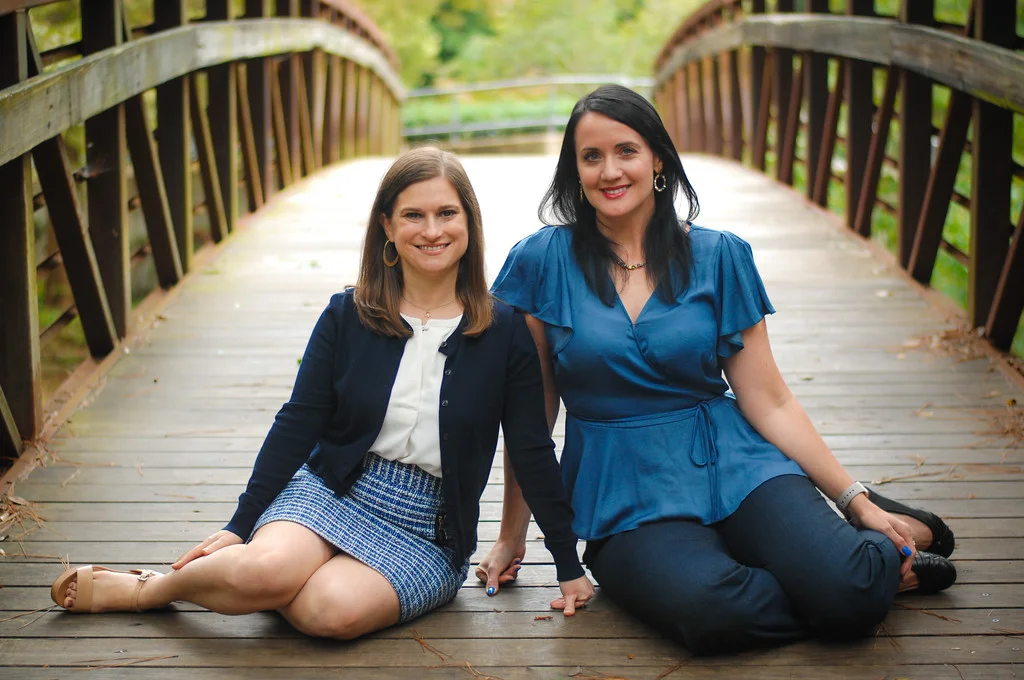
Big News!
We are excited to announce that as of January 1, 2019 Wood Christian Counseling has changed its name and will now be The Bridge Therapeutic Services, PLLC. We will still provide everything you have loved about Wood Christian Counseling, and we are expanding our services to offer whole health care! Our office location and phone number will remain the same.
We are excited to announce that as of January 1, 2019 Wood Christian Counseling has changed its name and will now be The Bridge Therapeutic Services, PLLC. We will still provide everything you have loved about Wood Christian Counseling, and we are expanding our services to offer whole health care! Our office location and phone number will remain the same.
Click OUR STORY to learn how we became The Bridge.
Thank you for choosing Wood Christian Counseling and now The Bridge Therapeutic Services, to provide excellent care for you and your family. We look forward to serving you in 2019.
~ Erin Young, LCSW & Jennifer Wood, LPC-S